Welcome to 世纪文具网! , Entry China Ningbo International Stationery Fair 2026
Home > Headline > Industry trends
China's Largest Stationery Complex Lands in Shanghai! Deli Group Embraces Generation Z
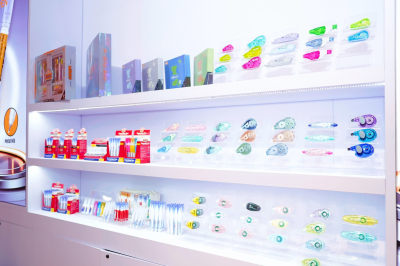
The complex spans 1,500 square meters and brings together tens of thousands of stationery items. IP collaborations and innovative “black‑tech” products appear side by side—this is what a Securities Times reporter witnessed at Deli’s newly opened flagship store, deli world.On November 29, the Deli Shanghai flagship store, deli world, opened in Joy City, Jing’an District, Shanghai. According to the Securities Times, the flagship store covers a total area of 1,500 square meters, making it currently the largest stationery complex in China. The store houses tens of thousands of products across categories such as student stationery, premium stationery, IP stationery, and IP-themed cultural merchandise, offering one-stop solutions for study, office, and lifestyle scenarios.Founded in 1981, Deli Group has grown over more than four decades into a global cultural and creative technology conglomerate integrating office supplies, stationery, tools, furniture, printers, children's educational products, and B2B solutions. The company holds leading positions in several market segments.In August this year, the All-China Federation of Industry and Commerce released the “2025 Top 500 Chinese Private Enterprises” list. Deli Group entered the ranking with revenue of 46.01 billion yuan, placing 270th—33 spots higher than in 2024. The company also made the list of the “2025 Top 500 Chinese Private Manufacturing Enterprises,” ranking 193rd.Joy City in Jing’an District, Shanghai, is known as one of the city’s “ACG (anime–comic–game) landmarks.” Traditionally, stationery shops are perceived as “small but refined.” So why did Deli Group choose to open a 1,500‑square‑meter store here?At the opening ceremony on November 29, Deli Group Executive President Chen Xueqiang said that opening this unprecedentedly large stationery experience store in Joy City was not merely a channel expansion, but a key step in the company’s brand‑upgrade strategy.“This is a crucial move for deepening our connection with users and building emotional resonance in the era of new retail. This place is not just a sales venue—it will be an immersive stationery experience space, a direct communication window between the brand and users, and a central showcase for Deli’s innovations,” Chen said.The Securities Times reporter noted that IP collaboration products are everywhere inside the store. Among them, the popular ‘Ne Zha’ IP is especially prominent. In August this year, Deli Group announced its collaboration with the film Ne Zha: The Devil’s Rebirth. The company also became the exclusive authorized stationery partner of the film.In addition, IPs such as Link Click and Mr. Self-Deprecating Bear have attracted strong attention. According to the Securities Times, new releases of Link Click products were restocked multiple times on opening day, with most buyers being young consumers.Beyond IP partnerships, Deli also showcased its technologically advanced stationery lines, including writing instruments, notebooks, art supplies, correction tapes, and sharpeners. Products such as the “Hexagonal Warrior” gel pen and the liquid silicone gel pen drew particular attention.Declaration: This article comes from  Securities Times.If copyright issues are involved, please contact us to delete.
antway
12 days ago Industry trends
4
Over 50 Billion Yuan! Smart Chinese Trendy Goods Becoming Overseas Bestsellers
Recently, at Yiwu International Trade Market in Zhejiang, a new batch of smart “gadgets” equipped with cutting-edge technology has attracted the attention of many foreign buyers.The cute doll with big round eyes in front of us is an interactive smart companion toy. It not only supports multilingual interaction, but can also accurately recognize the user’s tone and respond to complex questions. Ilol, a buyer from Türkiye who is visiting China for the first time, was fascinated by this smart toy. He immediately purchased one as a sample to bring home and evaluate market potential.In fact, the toy that Ilol fell in love with was originally an ordinary plush doll. After continuous version upgrades, it not only became more adorable in appearance, but was also embedded with a large language model and emotional recognition features. It has evolved from a simple “plush toy” into an intelligent “emotional companion,” and is now popular in global markets.In recent years, many traditional Chinese commodities have undergone intelligent upgrades. Many seemingly ordinary “small items” actually contain sophisticated smart design inside, drawing strong interest from international buyers. A ring that looks completely ordinary, for example, integrates full smartwatch functions and can monitor health data in real time—earning a large number of overseas orders.Wang Xingguo, Operator at Yiwu Global Digital Trade Center, said:“Our sales this year will reach 100 million USD — five times that of last year. Next year, we expect two- to three-fold growth.”According to China Customs, in the first three quarters of this year, China exported over 50 billion yuan worth of holiday products, dolls, and animal-shaped toys to more than 200 countries and regions worldwide. Many of these smart Chinese trendy products have become overseas hits. Last month, Yiwu opened its 6th-generation market — the Global Digital Trade Center. The wide array of smart products covers various sectors including home living, entertainment, and health monitoring, attracting buyers from all over the world.Declaration: This article comes from CCTV Finance. If copyright issues are involved, please contact us to delete.
antway
26 days ago Industry trends
18
Toy Industry “Plays” Its Way Into New World
In the context of the integrated development of the digital economy and cultural consumption, toys are no longer exclusive to children—they have gradually become a carrier of emotional consumption across multiple age groups.Trend toys represented by Labubu are gaining fans worldwide. From blind-box collecting to cross‑industry IP collaborations, trend toys attract enthusiasts with unique designs and social attributes. Data shows that among the top five toy categories by transaction share are trend blind boxes, plush dolls, and cartoon merchandise.The development of AI technology has brought innovative changes to toy product forms. Toys are no longer static companions but interactive communication devices. Q&A encyclopedias, story playback, talking books… AI toys can achieve intelligent interaction and provide personalized experiences through deep learning, language processing, emotion computing, and other technologies. Data shows that the transaction growth rate of AI toys has increased more than tenfold recently. Children's drones, smart dolls, and other toys are also popular among consumers.As new toy products and new business models continue to emerge, new requirements are also being placed on industry development. Trend toys are not merely goods—they are a lifestyle for young consumers to express their attitudes. The design, production, and marketing of related toy products must better meet consumers’ emotional needs for individuality. Efforts should be made to improve product quality and cultural value to avoid homogeneous products flooding the market. Through integration with the cultural and tourism industries, the IP value chain of trend toys can be extended by creating theme parks, restaurants, markets, and more to expand consumption scenarios. Meanwhile, it is necessary to protect innovation achievements and improve the intellectual property protection system.Given the application of new technologies such as AI, while embracing innovation, safety supervision must also be strengthened. For toys designed for minors in particular, the reliability of AI‑generated content must be ensured. During data collection and processing, user privacy must be protected from leakage. In addition to producing AI toys, relevant manufacturers should extend service chains by ensuring continuous system updates and iterations, thereby enhancing consumer stickiness and increasing product added value.Declaration: This article comes from Economic Daily.If copyright issues are involved, please contact us to delete.
antway
1 months ago Industry trends
25
Small Stationery: Writing Innovation Across Overseas Markets
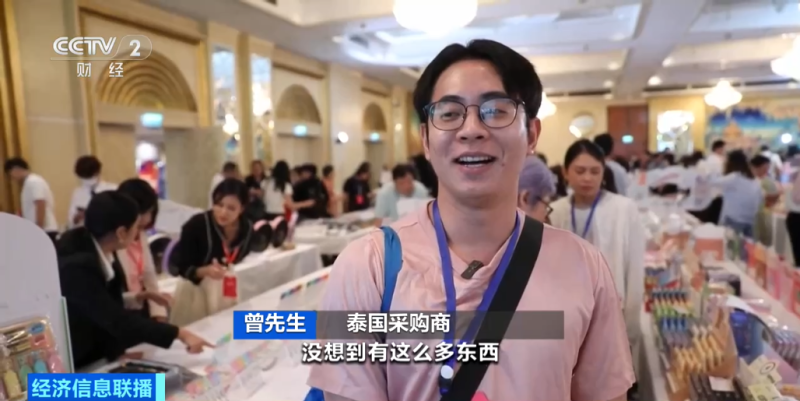
At around 5 p.m. on November 3, with less than an hour left before closing, numerous overseas buyers were still lingering at the booth of Wenzhou Kaiwen Stationery Manufacturing Co., Ltd., making the large special-designed booth feel somewhat crowded.As a stationery company that has grown together with the Canton Fair for over 20 years, Wenzhou Kaiwen has gradually stepped onto the world stage from “China’s No.1 Trade Fair.” Its sales network now spans the globe, and its signature watercolor pens boast an annual sales volume of more than 800 million units.How can a single watercolor pen enhance the reputation of “Made in China”? Huang Kailun, deputy general manager of the company, revealed the answer: “Since our establishment, we have benchmarked against international standards. Driven by new quality productive forces, we continue to strengthen R&D and improve product quality.” He provided an example: “In the past, certain additives used in ink production were not environmentally friendly. So we innovatively developed a new formula, replacing them with harmless components. This has won recognition from many domestic and overseas clients.”Huang also mentioned that, to better meet the needs of different overseas markets, the company has developed a number of customized products. For example, in high-altitude countries such as Peru, watercolor pens tend to leak ink due to air pressure differences. To address this, the R&D team tackled technical challenges and significantly improved the pens’ airtightness, enabling them to perform better in these geographic and climatic conditions.“Rooted in the present and looking toward the future, we will continue to uphold our brand, empower our team, develop new products, explore new markets, and pursue sustainable development.” Huang spoke with firm confidence regarding future goals.While watercolor pens stride confidently into global markets and paint visions of a bright future, notebooks and office books also faithfully chronicle the remarkable journey of China’s stationery industry as it expands overseas and contributes to building a strong trading nation.“Our company was founded in 1995, and this year marks its 30th anniversary,” said Jia Weihao, general manager of Zhejiang Deli Jia Stationery Co., Ltd. The company specializes in producing various office notebooks, student notebooks, and wooden stationery. With the help of the Canton Fair, it has gradually expanded into international markets, exporting to over 60 countries and regions. Since the start of Phase III of this Canton Fair, the company has received numerous overseas buyers—meeting long-term partners face-to-face and welcoming many new clients drawn by its growing reputation.Currently, green transformation is a major global trend and a key driver of economic growth. Against this backdrop, developing green trade has become an important initiative for China to upgrade its trade structure, achieve carbon peak and carbon neutrality goals, and accelerate the building of a strong trading nation. Jia believes that the company’s practical exploration in green manufacturing has enabled it to thrive amid fierce international competition.“To comply with internationally recognized green standards, the company has obtained FSC forest certification, the EU Deforestation Regulation certification, and more. To meet the global demand for eco-friendly products, we use recyclable paper as raw materials. To strengthen carbon management, we are increasing the use of clean, green energy…” Jia proudly listed the company’s recent achievements in the field of green trade.Innovation in China’s stationery industry is not limited to watercolor pens and notebooks—rather, it permeates a rich and diverse product ecosystem. Inside the expansive Canton Fair exhibition halls, a dazzling array of stationery products is helping write a new chapter for Chinese stationery as it expands overseas.Approaching 6 p.m., as the closing music played, several overseas buyers engaged in discussions at the booth of Shantou Yuansheng Industrial Co., Ltd. reluctantly left their contact information and arranged their next step—a factory visit.The company’s principal, Zhou Hangyuan, explained that it is an office supplies manufacturer integrating product R&D, production, sales, and service, specializing in file cabinets, document racks, folders, and other office items. Its products are mainly marketed in Europe, South America, Southeast Asia, and the Middle East—over 30 countries and regions.Asked how a simple folder could achieve such extensive overseas market penetration, Zhou, a long-time Canton Fair participant, explained that the company’s experience attending more than 40 sessions of the fair has taught them which products fit which markets. Their R&D team develops products tailored to the consumption habits and aesthetic preferences of each market, increasing product value through localization.“Innovation is crucial. Only through innovation can we create more added value and help companies stand out amid intense global competition.” Zhou’s heartfelt remarks reveal not only the company’s survival strategy but also the broader answer to how China’s stationery industry continues to gain global market share—an answer demonstrated vividly by the innovative, forward-moving companies across the Canton Fair exhibition halls.Declaration: This article comes from the International Business Daily.If copyright issues are involved, please contact us to delete.
antway
1 months ago Industry trends
16
Orders Surge 50%! These Products Ride the “Fast Track” of the World Cup Economy
With more than half a year to go before the 2026 FIFA World Cup in the U.S., Canada, and Mexico, Yiwu, Zhejiang—known as the “world’s supermarket”—has already entered the World Cup economic fast track. Merchants are busy preparing for the global event.“Sports events, especially large-scale international ones, mean opportunities with almost no risk for us,” said one trader.Argentina’s sky blue, Canada’s maple red, and Brazil’s forest green have been turned into flags, fan apparel, scarves, and trophies. Walking through Yiwu International Trade City’s sports goods section, the World Cup atmosphere is increasingly vibrant.Although the World Cup is still nine months away, Yiwu’s sports goods exports have already “kicked off.” Lin Daolai, a sports wristband seller, is busy sending sample photos to clients. During the 2024 Paris Olympics, he received an order for one million official wristbands, which significantly expanded his business circle. Now, he has already secured several orders for the 2026 World Cup.Recently, Lin has also been developing new World Cup-themed products to offer more options for clients.Another sports goods manufacturer, Shang Yabing, is rushing to produce samples of cheering towels customized for the upcoming World Cup. “This order includes nearly one million towels,” he told reporters. “If cooperation is confirmed, our factory will dedicate the next four months entirely to producing these cheering products.”For many Yiwu sports goods merchants, aligning with major event cycles is a key business strategy. Product diversification is another secret to their success. In one shop, sports goods are creatively combined with different materials to expand their range of applications.Yiwu International Trade City merchant Yang Hang said, “Whenever the World Cup approaches, our orders increase by about 50% compared with normal times. Our early products were mainly basic sports goods like balls, but now we also develop themed products for major foreign holidays such as Halloween and Christmas.”Not only merchants but also logistics companies in Yiwu Port are seeing growth. Logistics manager Zeng Xibao said his company’s shipment volume of sports goods has increased significantly this year, and preparations are underway for next year’s World Cup orders.Zhejiang Yiwu Logistics Company Manager Zeng Xibao: “From late September until now, we’ve been continuously shipping sports goods—mainly footballs and national flags. Orders for single categories of sports goods have risen by over 30%. For global events, logistics preparations usually start more than six months in advance. Next year, our warehouse capacity will need to increase by at least 50%.”CCTV correspondent Le Rongrong reported: “The event-driven economy is like a match that ignites Yiwu’s sports goods industry chain. With flexible supply chains and diversified layouts, Yiwu merchants are seizing the opportunity.”Latest data shows that in the first three quarters of this year, Yiwu’s exports of sports goods reached RMB 8.955 billion, up 20.5% year-on-year. Despite global economic fluctuations, Yiwu’s sports goods exports continue to grow, demonstrating remarkable resilience.Declaration: This article comes from CCTV Finance.If copyright issues are involved, please contact us to delete.
antway
1 months ago Industry trends
21
AI Toys Usher in the Industry’s “Golden Era”
In the 2025 consumer market, AI toys are reshaping the industry landscape at an astonishing pace. They have become a new consumption hotspot across all age groups and are ushering in a “golden era” for the AI toy sector. Products that satisfy children’s dual needs for education and entertainment, emotional companion collectibles favored by Generation Z, and memory-assistant devices serving older adults—powered by multimodal interaction and affective computing—are breaking the traditional boundaries of toy usage and laying a solid product and technology foundation for this new era.Since the start of this year, Securities Daily reporters have frequently encountered AI toys in supermarkets, retail outlets and at industry conferences. These devices, resembling “tech sprites,” not only engage children in lively conversations and tell stories vividly, but also possess powerful memory capabilities—accurately remembering a speaker’s voice and preferences and transforming into thoughtful intelligent companions. Today, they have firmly claimed premium shelf space in many toy stores and become the undisputed ‘new favorites’ among children.AI toys not only provide unprecedented novelty for users but also create fresh development opportunities for the toy industry. According to consultancy IMARC, the global AI toy market is projected to grow from USD 18.1 billion in 2024 to USD 60 billion by 2033, representing a compound annual growth rate of roughly 14% from 2024 to 2033. For a sector traditionally viewed as mature, this paints a promising ‘blue ocean.’Market BoomAll-Age Appeal Fuels a New Wave of ConsumptionFor parents born in the mid-1980s and 1990s, AI toys have rightly earned the reputation of ‘screen-free educational wonders’—they can practice English with children in an engaging way, set puzzles and challenges that encourage logical reasoning, and respond quickly to children's questions. These toys, which combine technological sophistication with edutainment attributes, help children acquire knowledge in a relaxed atmosphere while quietly opening parents’ wallets. Data from JD.com corroborates this trend: in the first half of 2025, sales of AI toy products surged sixfold quarter-on-quarter, with year-on-year growth exceeding 200%, demonstrating explosive market momentum.The audience for AI toys is not limited to children; it also covers today's main consumption cohort—Generation Z. Office worker Zhang Qingyu (pseudonym) carefully selected an AI toy priced at RMB 499 on an e‑commerce platform. Although pricier than ordinary toys, she felt it represented excellent value. “It feels soft and comfortable to the touch and has a pair of lively, playful eyes as if it could really speak. Sometimes when work stress builds up and I don’t want to talk to people but feel lonely, I’ll chat with it. It tells all kinds of funny jokes to cheer me up; it feels like having a ‘soulmate’ who understands me,” she said.This ‘warm’ experience allows AI toys to transcend traditional entertainment boundaries. Psychologist Zhang Rongxin told Securities Daily that, under the deep penetration of digital technologies, AI toys not only provide emotional solace for young people but also serve as important carriers of emotional companionship, health management and cognitive maintenance for middle-aged and elderly groups. Their value lies not only in technological innovation but also in human-centered design that reshapes intergenerational relationships—creating solutions that deeply integrate technology and humanity, and bringing more warmth and care into people’s lives.At present, AI toys have expanded their market positioning from children to all-age groups, and e-commerce platforms have become important sales channels. During this year’s “618” shopping festival, one AI toy new release sold out rapidly after launch.The product’s success stemmed from its precise capture of Generation Z's companionship needs. It uses multi-affective models to sensitively perceive emotional fluctuations in a user’s tone, employs a “delayed response that simulates human thinking rhythm” to avoid mechanical impressions, and can remember key information mentioned by users to proactively respond in subsequent interactions.Hong Tao, vice chairman of the China Consumer Economics Society and director of the Business Economics Research Institute at Beijing Technology and Business University, told Securities Daily that current AI toy development focuses on core scenarios such as child education and emotional companionship, and is advancing the development of high cost‑performance products. Examples include tactile-feedback interactive toys designed for very young children so that they can experience the charm of technology through touch, or companion robots for older adults with health-monitoring functions that keep constant watch over their physical well-being and quickly capture niche markets.“AI toys achieve more realistic interactive experiences through advanced technologies such as voice recognition and emotional computing,” Hong said. “Although R&D for AI toys has high technical thresholds, once produced at scale the cost advantages become significant, and prospects are very promising.”Capital DeploymentMultiple Forces Collaborate to Build an Industry EcosystemThe rise of AI toys relies on improving intelligence modules and falling application costs as technology matures, is propelled by robust market demand, and is also heavily driven by capital. Since the sector emerged in 2024, the number of related enterprises has surged: Tianyancha data show toy-related company registrations climbed year by year over the past five years and peaked in 2024. Analysts at the China Business Industry Research Institute predict China’s AI toy market will expand to RMB 29 billion in 2025 and reach RMB 85 billion by 2030.On the capital side, both deal volumes and financing amounts in the AI toy space have grown substantially this year, with nearly a hundred investment institutions entering the market and many startups successfully closing multiple financing rounds.Yan Xianbiao, CTO of Shenzhen Liangxu HuanYou Technology Co., Ltd., told reporters that domestic investment and financing activity in the AI toy field has become increasingly active since last year, and several leading companies secured large financings this year—greatly encouraging entrepreneurs to deepen their efforts. Unlike traditional toys, AI toys place greater emphasis on experiential content and scenario development, offering consumers emotional value and continuous services.Corporate deployment shows marked cross-industry trends. For example, publicly listed company Outfit7 launched an AI emotional companion robot in late December 2024, entering the AI companionship market from mobile applications and gaming. Its 2025 interim report indicates the company is building an integrated “hardware + content + service” ecosystem based on its proprietary emotional companion model, cutting-edge MoE (Mixture of Experts) architecture, embedded software and intelligent hardware. At present, Outfit7’s AI companion robot primarily generates revenue through hardware sales.Zhang Cuixia, chief investment advisor at Jufeng Investment, told Securities Daily that, to seize market opportunities, companies beyond device manufacturers and IP operators—including listed firms engaged in localized AI processing and multimodal interaction technology—have announced projects to apply their products to AI toys. Upstream and downstream firms are pushing toward deeper technology, product IPization and emotionalization, industry collaboration and global market expansion to further enhance product appeal.International markets are also active. Recently, Bondu, an AI toy startup based in San Francisco, announced the completion of a USD 5.3 million seed round.Behind the capital frenzy lies a deep bet on the commercialization of “emotional value.” Traditional toy industry gross margins typically hover between 20% and 30%, but AI toys have achieved value upgrades through technological empowerment; some mid- to high-end AI toy manufacturers report gross margins exceeding 70%.On industry competition and supply chain dynamics, the Qianzhan Industry Research Institute’s report “China Intelligent Toy Industry Market Outlook and Investment Strategy” states that the domestic AI toy track currently has relatively few participants, low industry concentration and a diversified competitive landscape, with technology iteration and IP competition dominating the market.Chen Xiaohua, executive director of the Education and Science & Technology Research Institute at the China Mobile Communications Association, told Securities Daily that while the traditional toy market—with its mature supply chain and classic IPs—still holds major market share, it is accelerating its shift toward intelligence. For example, Alpha Group and other firms are integrating AI technology into their own IP products. AI toy companies are speeding up product R&D and market expansion, moving beyond basic entertainment functions to emphasize emotional companionship and personalized growth advising, and exploring viable “hardware + subscription” service models to extend product lifecycle value.Facing ChallengesBreaking Homogeneity to Find Upgrade PathsAI toys have expanded into multiple product categories—some focusing on IP operations and emotional services, others precisely targeting educational scenarios. This diversified exploration is driving the industry toward higher value‑added segments. Nevertheless, the sector also faces a homogeneity dilemma: product designs are converging, many AI features depend on the same service providers, and interaction modalities often lack natural fluidity.Technology is the core foundation for AI toys, and competitiveness largely depends on the ability to achieve human‑like natural conversation and accurately interpret language and emotions—capabilities that heavily rely on large language models and interaction technologies. Securities Daily’s reporting found that although most AI toys claim to be equipped with advanced large models capable of fluent dialogue, actual question-and-answer interactions are often formulaic, lack emotional warmth, and generally fall short in continuous learning and personalization capabilities.Huadong, an AI engineer at Dong Qipeng Electronics Technology Co., Ltd., told reporters that connecting traditional toys to large AI models is just a baseline. On the software side, products need visual and video recognition, voiceprint recognition, long-term memory functions (able to remember users’ statements) and a repertoire of expressions for feedback; on the hardware side, they require eye-contact interactions, radar perception, greeting mechanisms, touch points and tactile feedback. All these AI features are crucial. Future competition will not be just a battle of hardware versus software but a contest in social AI—where AI toys integrate speech recognition, computer vision and haptic feedback to achieve environmental awareness and natural interaction.Beyond technological hurdles, AI toys also face a trust crisis concerning information security and privacy protection. These toys often collect children’s voiceprints, facial images, behavior trajectories, and even household environmental data through cameras, microphones and other sensors. The covert collection and potential misuse of such data urgently require strict privacy safeguards. Moreover, excessive reliance on AI toys by minors may impair social skills and emotional cognition development—reducing real interpersonal interaction, creating difficulties adapting to delayed human feedback, or being misled by anthropomorphized emotional expressions.“Solving the homogeneity problem in AI toys hinges on innovation,” said Fu Yifu, a special researcher at Suzhou Commercial Bank. He suggested that companies increase R&D investment, deeply explore latent user needs and develop products with unique functions and characteristics—such as AI toys tailored to specific age groups or scenarios. At the same time, attention must be paid to user‑experience design to improve ease of use and stability, reducing lag and malfunctions. Strengthening brand building to craft distinct brand images and values is also necessary; brand differentiation can enhance a product’s core competitiveness. In short, AI toys’ core competitive advantages should concentrate on technological innovation, content innovation, user experience and brand value to meet consumer demand for high‑quality, personalized products.The rise of AI toys is a model of deep integration between technology and the humanities and a natural outcome of industrial upgrading. From explosive market growth and all‑age user coverage to capital market enthusiasm and continuous technological breakthroughs, AI toys are reshaping the toy industry landscape with unstoppable momentum and ushering in the industry’s “golden era.” They are not only a new ‘blue ocean’ for the toy sector but also a social pressure‑release valve for emotional needs. This golden era will make AI toys a bridge connecting technology and humanity, commerce and emotions, and will bring more surprises to people’s lives.Declaration: This article comes from Securities Daily.If copyright issues are involved, please contact us to delete.
antway
1 months ago Industry trends
30
Don’t Let “Creative Stationery” Cross the Line
Pressure-relief face-changing pens, “bread” notebooks, “breakfast” erasers… In recent years, all kinds of food-shaped, cartoon-themed notebooks, erasers, pens, and pencil cases have become popular among students. The endless emergence of these creative stationery items has sparked widespread discussion among students and parents.Now, with the arrival of the “back-to-school season,” stationery sales are once again heating up—whether in physical stores or on online platforms. Pressure-relief face-changing pens, “bread” notebooks, “breakfast” erasers… All kinds of “creative stationery” are readily available.It is reported that these “creative stationery” items are not only generally expensive but also easily distract children and pose potential safety risks. For example, one type of pencil box feels quite heavy in the hand, with multiple layers and a row of small buttons. However, this pencil box is too “flashy” to be practical; it is more like a toy that easily distracts children. Moreover, when the button is pressed, a small compartment may pop out unexpectedly, potentially injuring the eyes. Evidently, many “creative stationery” products have crossed the line.In the author’s opinion, preventing “creative stationery” from crossing the line requires joint efforts from multiple parties. First, regulatory authorities should promptly establish and implement industry standards for stationery production, providing manufacturers with clear guidelines for compliant production. It is crucial to avoid a situation where each factory follows its own “standard,” resulting in disorderly production and stationery with “creativity” but no “boundaries.” Second, businesses should take responsibility for strict quality control and refuse to purchase “boundary-less” creative stationery. They should not pursue economic gains at the expense of children’s focus and safety, nor should they let children treat stationery as toys. Third, teachers should strengthen their guidance and education regarding students’ stationery choices, encouraging them to buy items that serve genuine learning purposes and teaching them to say “no” to toy-like stationery.At the same time, parents should take on the responsibility of helping their children choose stationery carefully. They should strictly screen what their children buy and avoid purchasing “boundary-less” or unsafe creative stationery. Instead, they should guide their children to select practical and safe items.Furthermore, it is also important for regulatory departments to strengthen “source management.” Once a manufacturer is found producing “boundary-less” or unsafe creative stationery, immediate measures should be taken to stop production. This can include fines, blacklisting, confiscation of products, or even banning the company from operating. These measures would make manufacturers bear economic, credibility, and operational consequences, compelling them to stop producing unsafe creative stationery.We believe that as long as regulatory authorities set industry standards, merchants refuse unsafe products, schools strengthen guidance, parents maintain strict oversight, and regulators enforce strict source management, we can effectively safeguard the boundaries and safety of “creative stationery,” allowing stationery to truly return to its proper function as a learning tool.Declaration: This article comes from Meizhou Daily.If copyright issues are involved, please contact us to delete.
antway
2 months ago Industry trends
25
Stationery “Toy-ification,” Stop It!
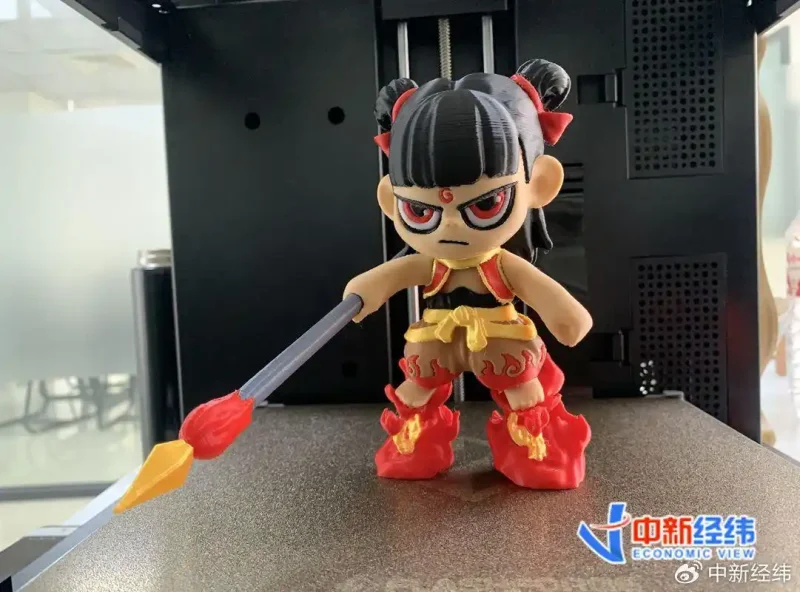
At the beginning of the new semester, “Nezha”-themed blind box pens, cola-shaped erasers, glowing rulers… these “toy-ified” stationery items, with their novel shapes and playful designs, have quickly become children’s “new favorites.” However, while they win children’s affection, these products—designed more for entertainment than for practical use—have sparked concerns among parents and teachers about “distracting from learning.” Behind them also lie issues such as consumption guidance and hidden safety risks that deserve attention.Stationery “Toy-ification,” the New Campus TrendOn the afternoon of September 22, before the return-to-school bell had even rung, a stationery shop near an elementary school in Furong District was crowded with students. They carefully browsed the shelves, their chatter full of excitement—“Everyone’s collecting this blind box pen, I just need the last one to complete my set!” “This hamburger eraser looks so real.” “Guess what makes this ruler glow?” … The eager choices and animated exchanges of children have fueled the popularity of “toy-ified” stationery on campus.In recent days, reporters visited stationery stores in Changsha and found that traditional pens, exercise books, and erasers were relegated to inconspicuous corners, while shelves were dominated by “toy-ified” stationery: Disney blind box pens with surprise designs, highly realistic food-shaped erasers, pens filled with liquid glitter… Products combining “stationery function” and “toy attributes” have become the main sellers.“The blind box pens sell best—kids like collecting different characters, so they often buy several at once.” A stationery shop owner near a primary school in Yuelu District explained that after the semester started, blind box and decorative stationery accounted for over 60% of sales. Reporters also noticed that many products marketed themselves as “fun” and “novel,” with “toy-like” features outweighing practical use. Walking into a stationery shop feels more like entering a toy store.Parents Worry About “Distraction,” Teachers Struggle with “Management”Unlike the children’s delight, parents and teachers are filled with concerns about the trend. “After buying blind box pens, my child doesn’t want to write homework—just fiddles with the pen decorations and procrastinates endlessly.” Ms. Wang, a parent, voiced a sentiment shared by many. She found that since using “gimmicky stationery,” her child’s focus had noticeably declined, and homework errors had increased.Other parents face similar challenges. “To complete a cartoon-themed stationery set, my child spent more than 200 yuan on stationery in a single month, which is wasteful and fosters a mindset of comparison.” Mr. Li was even more worried about safety: some stationery had small detachable parts that might be swallowed, while others with glowing features risked harming children’s eyesight with prolonged use.Zhang, a third-grade teacher in Wangcheng District, observed that “fun stationery” has become a kind of “hard currency,” with food-shaped erasers the most common. “Children can’t resist playing with them during class, which not only affects their own focus but also distracts classmates.” In her view, once children get used to treating stationery as toys, even ordinary rulers and notebooks can become “distraction tools,” making classroom management more difficult.Guiding Rational Consumption, Returning Stationery to Its EssenceIndustry experts point out that stationery’s core function is to serve learning. If it strays from practicality and focuses solely on entertainment, it inevitably becomes a “disruptor” to studying. Only through joint efforts to guide stationery back to its original purpose can children focus on learning and grow healthily.As the primary buyers, parents should guide children to adopt rational consumption habits. “Communicate with kids about what they truly need, prioritize basic branded items, and avoid blind boxes or oddly shaped products that easily distract.” Some parents shared their shopping principles: focusing on “practicality, safety, and eco-friendliness” while avoiding “trendy” or “competitive” purchases. The Provincial Consumer Council also suggested parents review current supplies with their children, create a shopping list, and reduce unnecessary repeat purchases.Schools can also play a strong guiding role. At Zhang’s school, class meetings and parent-teacher meetings have been used to promote the idea that “simple stationery supports better learning,” with clear advice that “stationery doesn’t need decoration; students should avoid comparing or indulging in ‘toy-like stationery’ and keep their focus on studying.”Beyond family and school cooperation, regulation and oversight are equally crucial. Experts recommend strengthening quality and safety checks on “toy-ified” stationery, focusing on risks like detachable parts and harmful light-emitting devices. Marketing practices also need regulation to prevent businesses from using tactics such as blind boxes to lure minors into overconsumption.Declaration: This article comes from Li Chenghui, Hunan Daily All-Media Reporter; Li Zhi, Trainee Reporter.If copyright issues are involved, please contact us to delete.
antway
2 months ago Industry trends
24
AI Toy Company Robopoet Secures Tens of Millions in Angel + Round
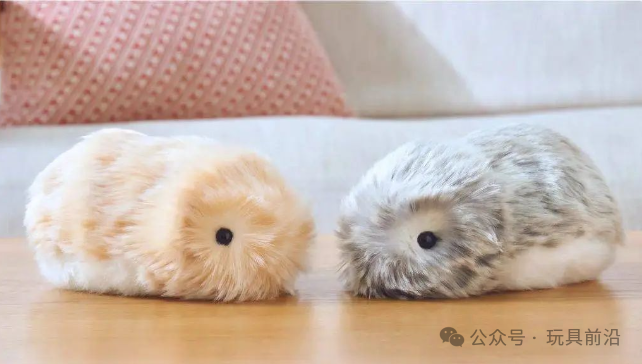
According to LatePost, AI companion hardware company Robopoet has recently secured tens of millions of RMB in Angel+ round financing. This round was solely led by Sequoia China, with follow-on investment from existing shareholders GSR Ventures and Zero One Ventures.Back in June this year, Robopoet had just completed an angel round financing worth tens of millions of RMB, jointly led the investment by Shanghai Film New Vision Fund and GSR Ventures, with Zero One Ventures also participating.Public information shows that Robopoet was founded in early 2024, focusing on the innovative applications of large models and embodied intelligent hardware, and is dedicated to developing AI companion robots. Its first product is positioned as an “AI pet,” combining cutting-edge artificial intelligence with trendy toy design, aiming to offer users a brand-new AI pet-raising experience.The company’s founder, Sun Zhaozhi, previously designed cars in Europe and was involved in the interaction architecture of the previous-generation Mercedes-Benz S-Class, as well as the interior design of the BMW 3 Series and Alfa Romeo Giulia. After returning to China in 2015, he successively joined XPeng and Didi as head of design, and in 2021 joined XPeng Robotics company Pengxing Intelligent as head of product design. In 2024, he embarked on this entrepreneurial journey. After the emergence of ChatGPT in 2021, Sun made a bet with friends: the paradigm shift in interaction brought by large models and the leap in interactive experience would inevitably give rise to a wave of new hardware forms.Currently, Robopoet’s main product is the AI electronic pet “Fuzozo,” which can interact with users via voice and also has memory functions. Based on the frequency and manner of user interactions, it can evolve into different personalities. According to Robopoet, within just half a month, Fuzozo sold more than 3,000 units on JD.com, ranking among the top 10 in the trendy blind-box sales charts.Declaration: This article comes from Lieyunpro.com.If copyright issues are involved, please contact us to delete.
antway
2 months ago Industry trends
37
Targeting the Silver Economy: China’s Wooden Toys Accelerate Their Global Expansion
In factory workshops, elderly-oriented wooden toy products roll off production lines and eventually enter the daily lives of overseas seniors. Leveraging cross-border e-commerce platforms, wooden toy companies can directly respond to global consumers’ needs and feedback, enabling more precise product development and innovation. In Yunhe County, Lishui City, Zhejiang Province, wooden toys are rapidly “going global.”Yunhe County is known as the “Hometown of Wooden Toys in China.” The county has more than 1,100 wooden toy manufacturers, with products sold to over 80 countries and regions worldwide. It is China’s largest base for the research, development, production, and export of wooden toys, accounting for 40% of the global wooden toy market share.“In 2019, when we participated in the Guangzhou Elderly Expo, we realized the vast potential of elderly-friendly products. Since then, we have hosted elderly wooden toy competitions in China and launched the production and development of senior-oriented wooden toys,” said Ma Dafei, Chairman of Zhejiang Mimi Toys Group Co., Ltd. (Mimi Toys), in an interview with China News Service. According to him, nearly 70% of the company’s products are exported. While the global children’s wooden toy market is stabilizing, the elderly toy market still represents a promising new blue ocean. On September 17, residents tried out elderly-oriented educational wooden toys. (Photo by Zhou Jian)Games such as “One-Shot Victory” (pitch-pot), “Hit the Target” (ring toss), and “Fishing for the Moon” (skill ball) were featured this May in a unique online elderly wooden toy friendship competition between Yunhe and Shizuoka Prefecture in Japan. Eighteen senior contestants from each side joined the fun, with the amusing and challenging events drawing rounds of laughter.At present, Yunhe is integrating the wooden toy industry with elderly care services, creating an innovation-driven industrial chain focused on cognitive health and entertainment. Many local companies are increasing investment in R&D for elderly-oriented wooden toys.Mimi Toys has already developed more than 100 senior-friendly wooden toys, including digital puzzles, stone-throwing games, and memory chess, which are exported to countries such as Germany and Japan. “We are now working with universities to develop ‘Wooden Toys + AI’ products. Through cameras, the toys can record seniors’ usage experiences, and AI can generate analytical reports on reaction times, memory, and other data. The project is expected to be launched by 2026,” Ma Dafei said.Beyond tapping into the global silver economy, in recent years, more and more Yunhe wooden toy companies have ventured abroad through cross-border e-commerce.At Zhejiang Yunchuangxiang Cultural & Creative Co., Ltd., collaborations between Yunhe wooden toys and well-known IPs such as “Journey to the West Monkey King,” “New Arrivals at the Palace Museum,” and “Sanxingdui” have produced popular themed products. Meanwhile, items such as birthday cakes, tableware sets, and children’s dressing tables are neatly displayed.“Since October 2023, our team has partnered with Yunhe toy manufacturers to design more than 300 wooden toy products, many of which became bestsellers on cross-border e-commerce platforms. For example, this children’s dressing table set—featuring wooden lipstick, perfume bottles, and hairdryers with a high degree of realism—has been very popular among overseas consumers,” said General Manager Meng Jie. She added that by combining traditional culture with wooden toys, they are also helping more Chinese IPs “go global.”According to Chen Longfei, Deputy Director of Yunhe County’s Bureau of Economy, Commerce, and Technology, the county now has more than 230 wooden toy cross-border e-commerce enterprises, with over 20 new added this year alone. “We are building a cross-border e-commerce product selection center, which is expected to be operational in November. It will connect e-commerce platforms with more than 200 wooden toy factories, helping enterprises expand their global market reach,” Chen explained. On September 17, workers assembled wooden toy products. (Photo by Zhou Jian)Statistics show that from January to June 2025, Yunhe’s self-operated wooden toy exports reached 283 million yuan, up 6% year-on-year. In the future, the story of how “a piece of wood” entertains the world will continue.Declaration: This article comes from China News Service Lishui, Fu Feiyang.If copyright issues are involved, please contact us to delete.
antway
2 months ago Industry trends
21
Home Page
Prev Page
1
2
Next Page
End Page