欢迎来到 [世纪文具网]
, 进入
2027宁波国际文具展
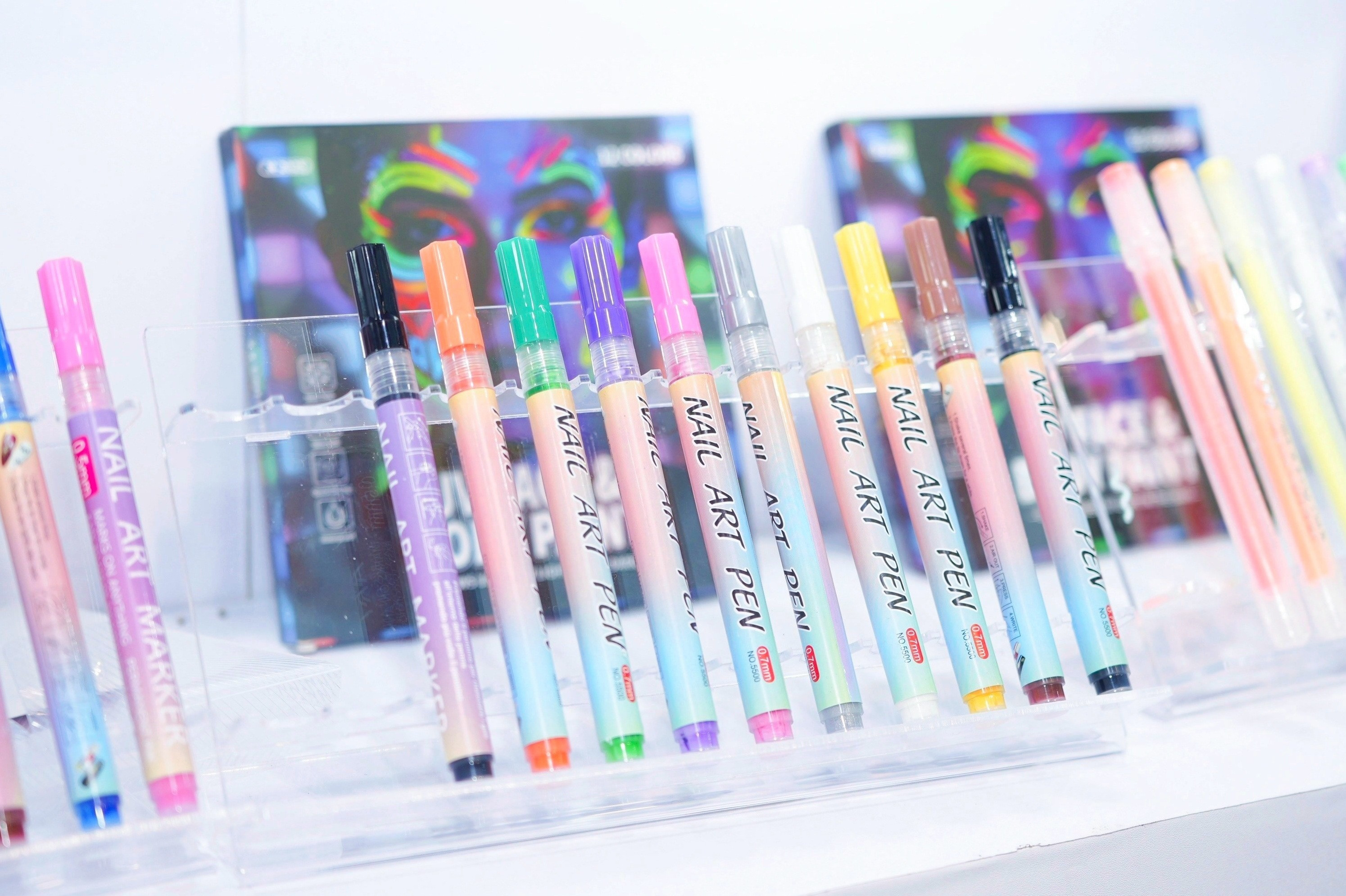
A pen connects writing, learning, and office work — and also connects a vast industrial chain.
In Ningbo, this chain has extended across multiple links: raw materials, molds, components, manufacturing, design and R&D, packaging, and logistics.
As the largest stationery production and export base in China, Ningbo's stationery industry delivered an impressive performance in 2025. Tax data shows that the industry's invoiced sales reached RMB 37.55 billion, up 6.2% year-on-year, demonstrating strong growth momentum.
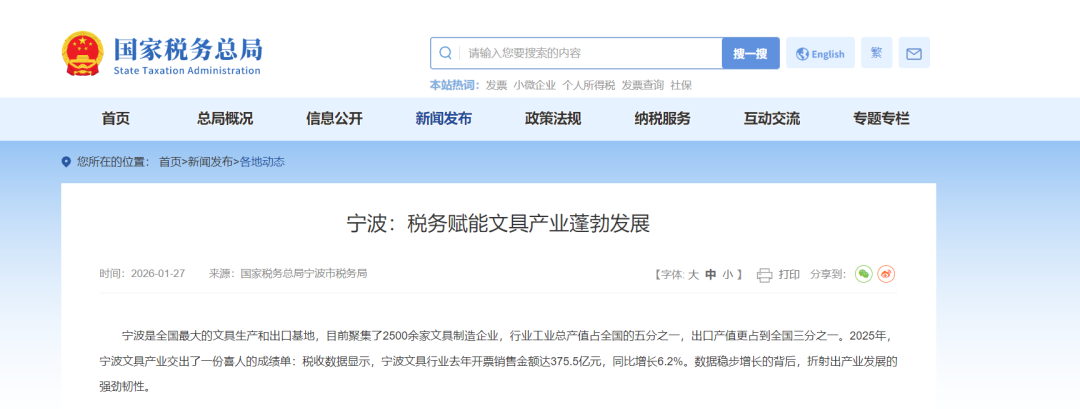
(Image source: State Taxation Administration)
The development of Ningbo's stationery industry has been built on decades of accumulation. In 2005, the China National Light Industry Council, the China Culture & Sports Supplies Association, and the China Writing Instrument Association jointly issued a document, officially awarding Ningbo the title of "Capital of Stationery in China" — the first national-level industry capital title the city ever received. Subsequently, the "China Stationery Production Base" and the "China R&D Center for Art Supplies" were also established in Ningbo. Leveraging its port advantages and manufacturing capabilities, Ningbo's stationery industry began to take off.
Over the years, a growing number of stationery companies have taken root in Ningbo. Today, the city is home to over 2,500 stationery manufacturers. Industry leaders such as Deli, Guangbo, Beifa,康大 (Kangda), Tianshi, and Xiubisizhuang have driven the development of local stationery manufacturing and foreign trade, with products covering tens of thousands of varieties across all stationery categories, exported to more than 200 countries and regions worldwide. The long-tail clip alone generates RMB 1 billion in annual sales, with global production volume ranking among the top; staplers hold over 60% of the international market share; and pencil sharpeners account for nearly 75% of the domestic market. These figures reflect the industrial depth that the city has cultivated over time.
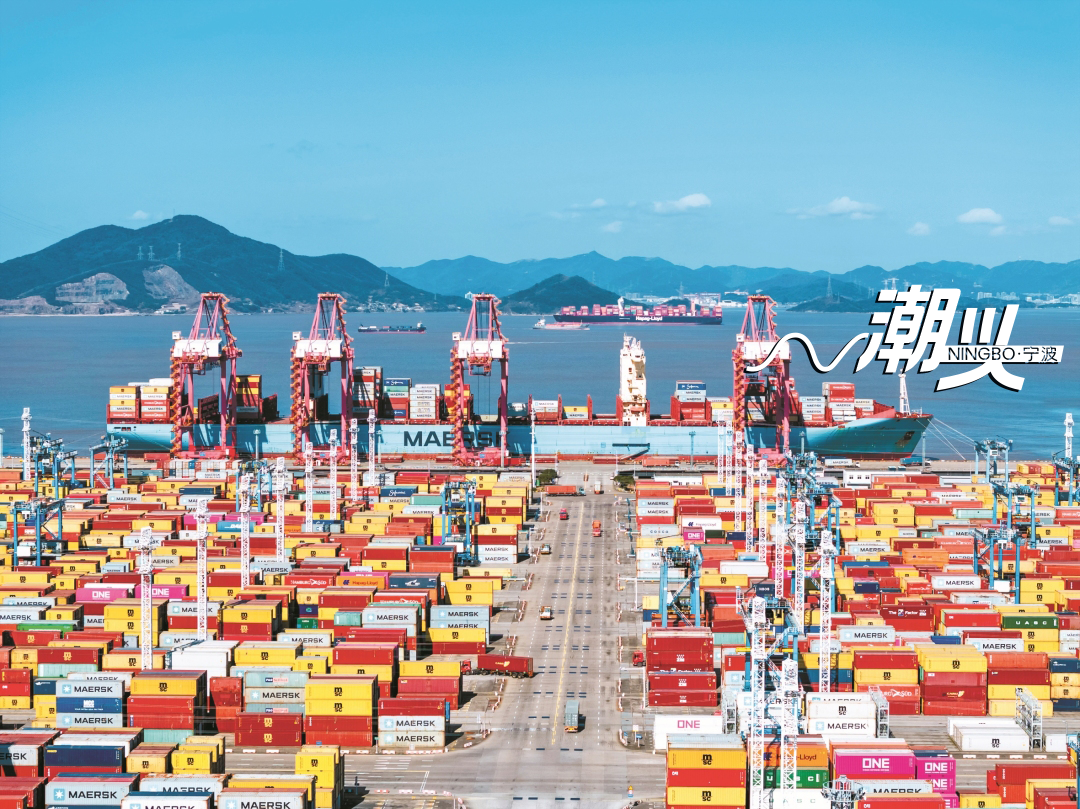
(Image source: Ningbo Release · Jiang Xiaodong)
Why Ningbo?
Industrial Agglomeration Drives Efficiency
The strength of Ningbo's stationery industry lies in its complete industrial chain and highly concentrated ecosystem. Over the years, the city has formed five major stationery industry clusters: Ninghai, Beilun, Haishu, Cixi, and Yuyao. With upstream and downstream enterprises highly concentrated, each cluster has a clear functional focus and complementary advantages, together forming a full industrial chain.
Proximity translates into efficiency: with upstream and downstream companies based in the same city, communication costs are reduced, technical issues can be resolved promptly, product development cycles are significantly shortened, and enterprises can devote more energy to product quality and innovation.
Today, Ningbo is home to a number of influential stationery brands, including Deli, Guangbo, Beifa, Kangda, Tianshi, Zanyang, Youhe, and Sailong, forming a powerful industrial cluster.
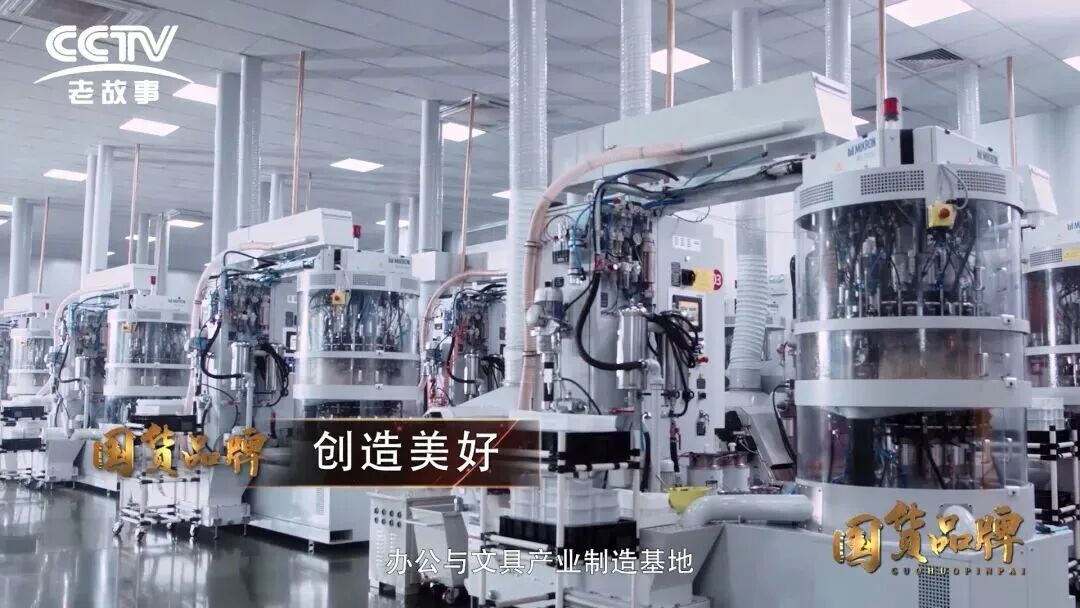
(Image source: Deli Group)
Standardization Paves the Way for "Made in Ningbo" to Go Further
The essential path from a "large and comprehensive" industry to a "strong and superior" one is standard-setting.
As the "Capital of Stationery in China" and a globally significant stationery manufacturing base, Ningbo has long been committed to leading high-quality industry development through high standards. The city has established a standard-setting mechanism featuring "association coordination, leading enterprises taking the lead, and SMEs implementing," and has cumulatively participated in the formulation of 29 national standards for the stationery sector, of which it led 9. It has also driven the adoption of the first alliance standard of the Asia-Pacific Stationery Association Alliance.
From "Functional" to "Aesthetic" to "Enjoyable"
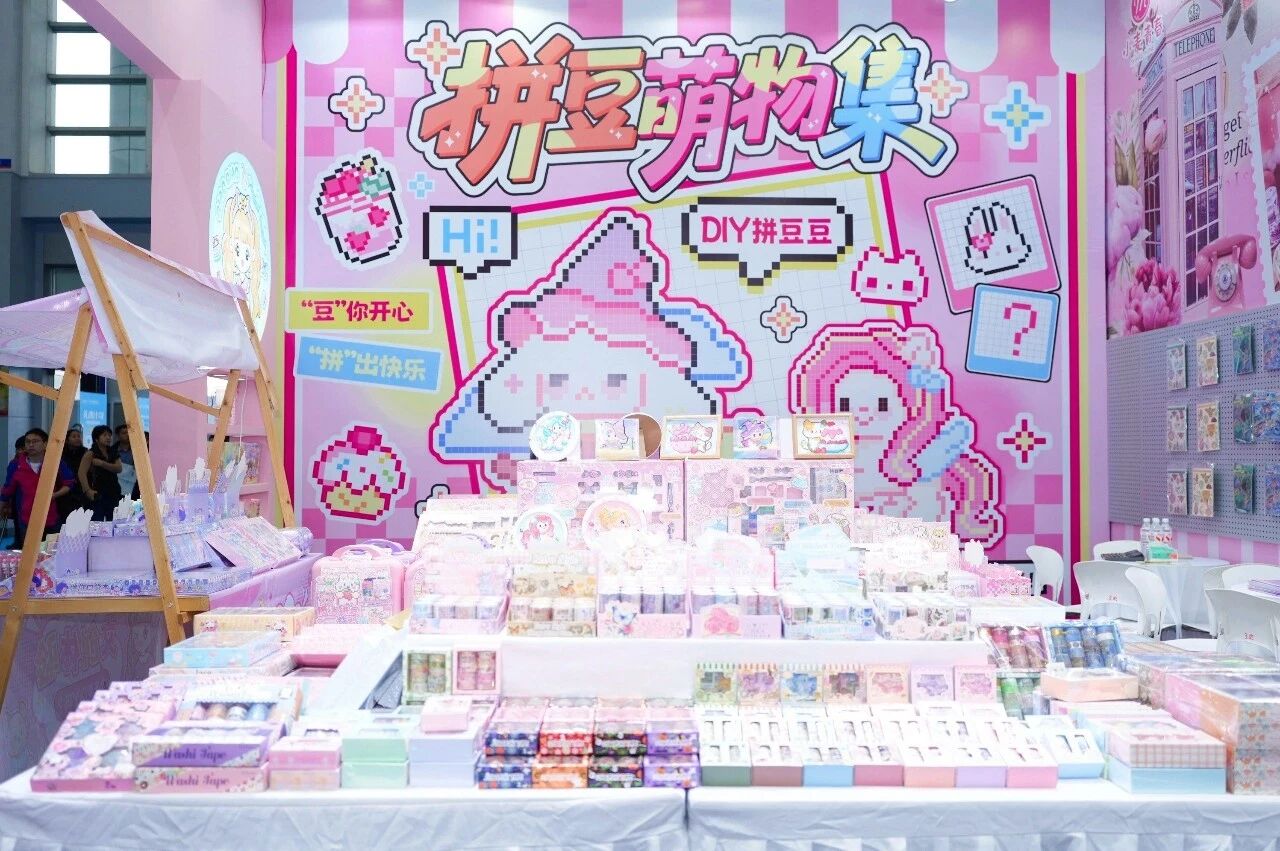
(2026 Ningbo Stationery Fair on-site)
From the scholar's four treasures of ancient times to today's pencils and erasers, stationery serves not only as tools, but also as companions, emotional carriers, and social connectors. Seizing this trend, Ningbo's stationery companies have found a new direction for breakthrough.
More and more local companies are integrating traditional culture, original design, and animation IP into their products, turning stationery into a medium for young people to express their aesthetics and emotions. As Lin Xiaofan, head of Guangbo Cultural & Creative, once noted in an interview: "What young people buy is not just stationery, but also an emotional identification with their beloved IPs."
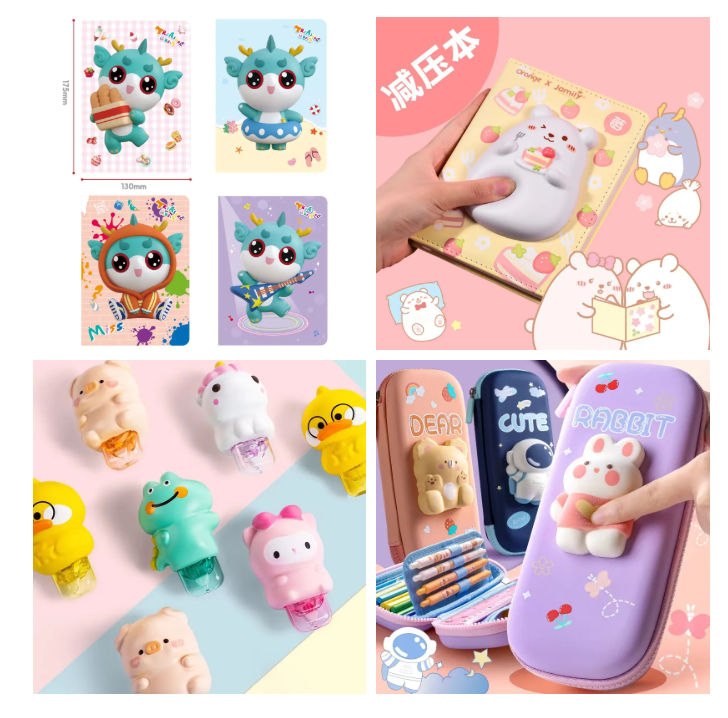
(Image source: Ningbo Huiling Crafts Co., Ltd. | Booth: H2-215)
Stationery is becoming part of cultural consumption. And Ningbo is evolving from a traditional "stationery manufacturing capital" into an industrial cluster with greater innovation capacity, brand power, and cultural expression.
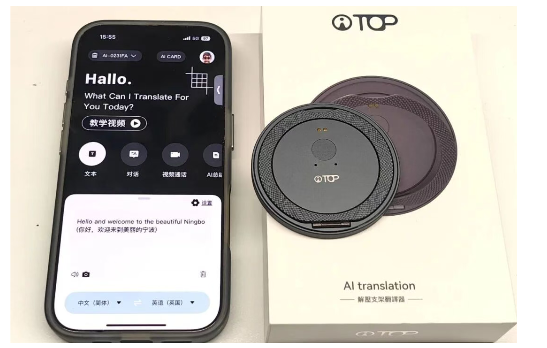
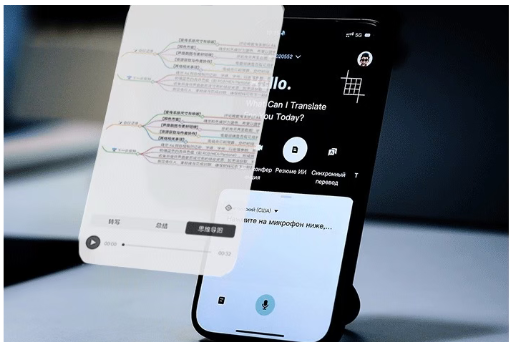
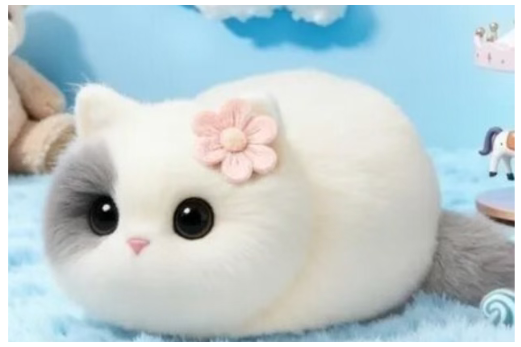
(Image source: Beifa Group Co., Ltd. | Booth: H11-T01)
Meanwhile, technology is entering the traditional stationery industry, transforming stationery from a mere writing tool into intelligent products. For example, Beifa Group has developed an AI translation pen capable of recognizing 142 languages, now sold in multiple overseas markets. Other AI-powered products include the "Little Cat Soft" emotional interaction device, the AI stress-relief translation stand, and the Beifa AI glasses.
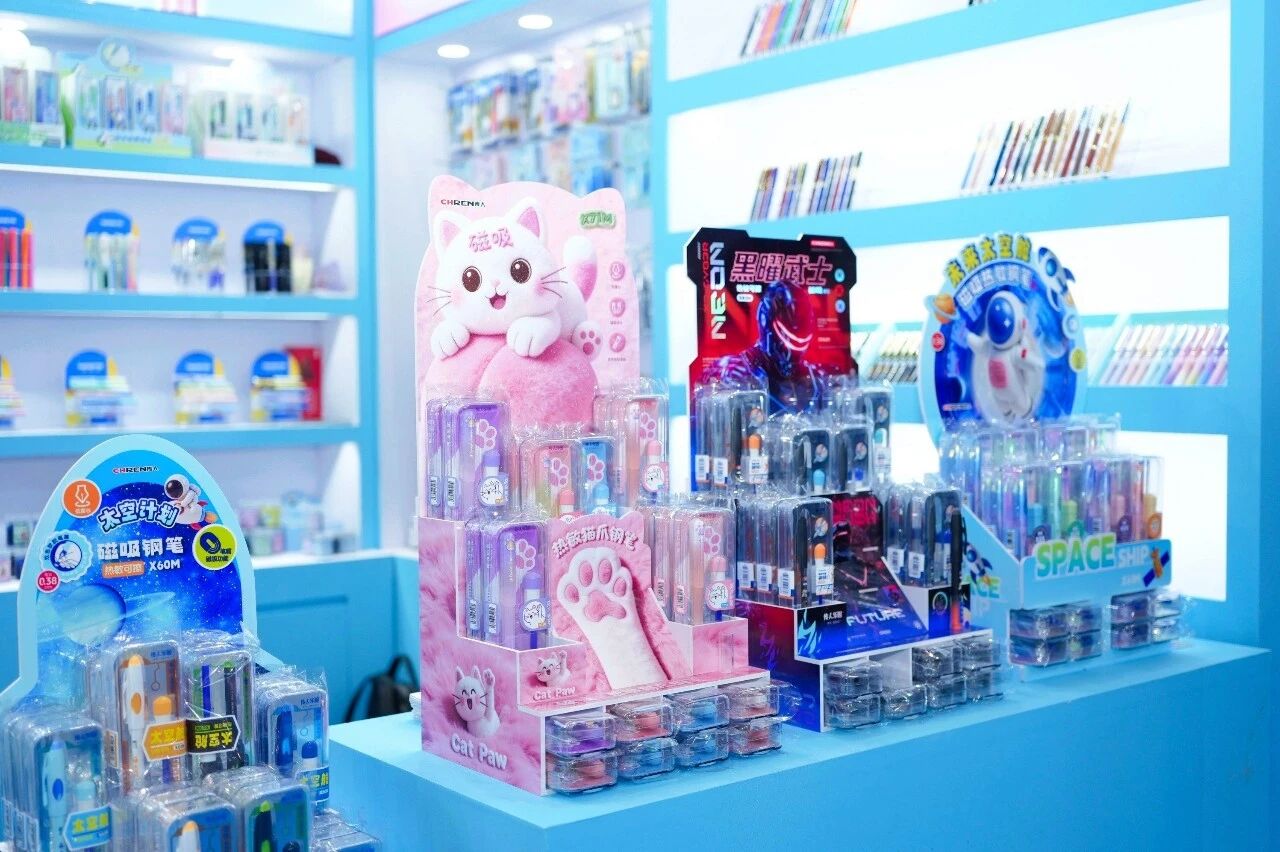
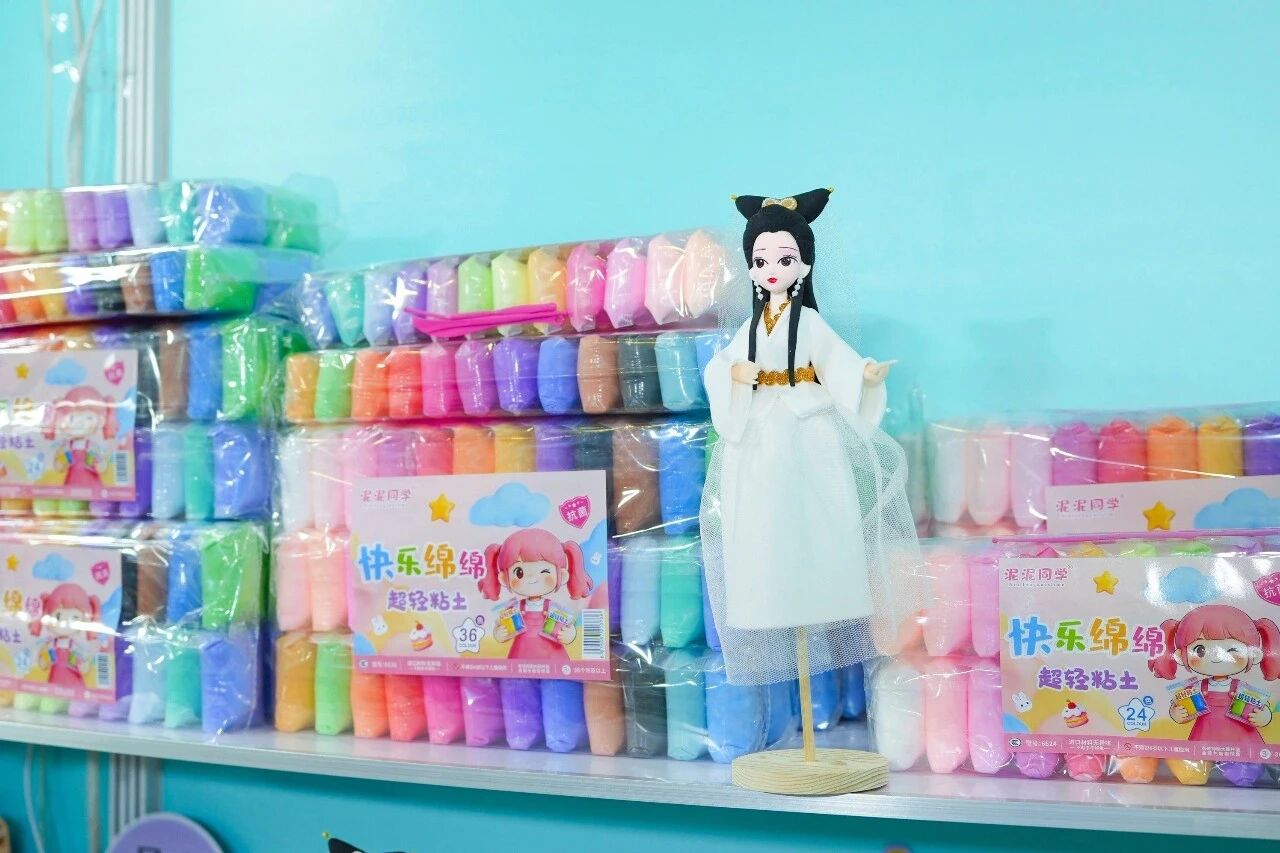
(2026 Ningbo Stationery Fair on-site)
Today, Ningbo's stationery industry continues to move forward. Companies are growing, and new products, brands, and technologies are emerging. The industry needs exchanges, companies need cooperation, and manufacturing needs sustained connection with the global market.
The "Capital of Stationery in China" extends an invitation to the world!
March 25–27, 2027
2027 Ningbo International Stationery Fair
Ningbo International Conference and Exhibition Center
23 years dedicated to the industry,
building an efficient platform for stationery trade.
Pre-registration is now open → Register online for free entry before March 25, 2027. A RMB 50 admission fee will apply for on-site registration from March 25 onward.


 27
27